


-

Add: HeBei ShengShi HongBang Cellulose Technology CO.,LTD.
-

Email
13180486930@163.com -

CONTACT US
+86 13180486930
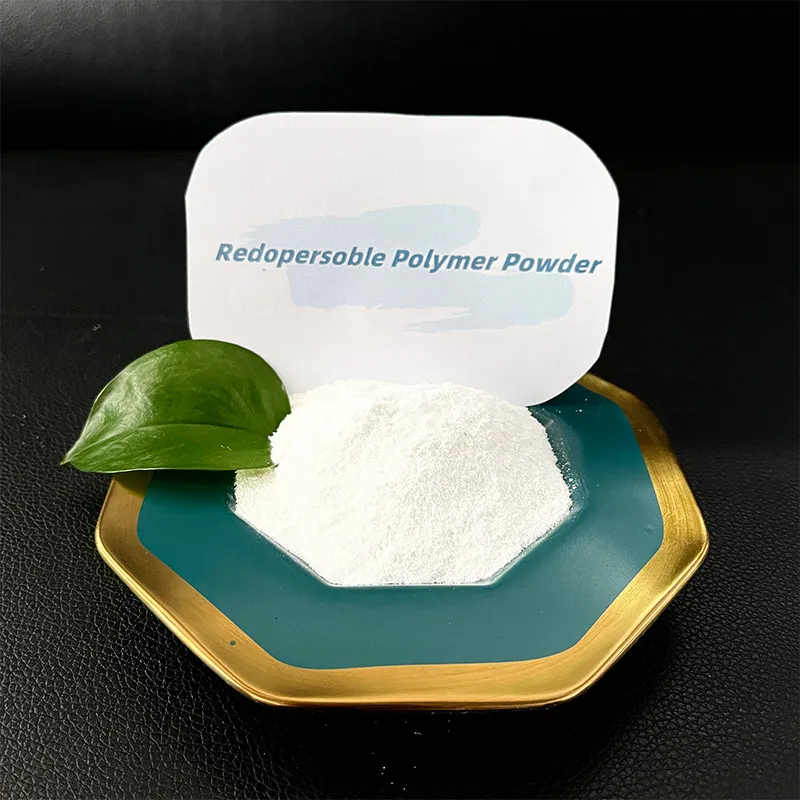
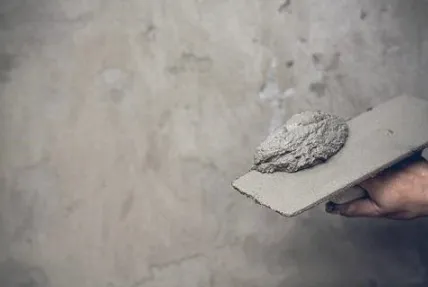


Polypropylene fiber is a key solution in the manufacturing industry, specifically within Manufacturing of building materials and Concrete admixture. This article explores how HeBei ShengShi HongBang Cellulose Technology CO.,LTD. supports professionals with durable, high-performance products, and explains why this product is an ideal choice for businesses in these sectors. Table of Contents Polypropylene Fiber Overview Benefits & Use Cases of Polypropylene Fiber in Concrete Admixture Cost, Maintenance & User Experience Sustainability & Market Trends in Manufacturing Conclusion on Polypropylene Fiber from HeBei ShengShi HongBang Cellulose Technology CO.,LTD. Polypropylene Fiber Overview In the dynamic realm of modern construction and infrastructure, the integrity and longevity of building materials are paramount. This is where polypropylene fiber emerges as a crucial additive, significantly enhancing the performance of concrete. As a microfiber synthetic solution, it plays a vital role across the entire manufacturing supply chain, particularly within the Manufacturing of building materials sector, and more specifically in Concrete admixture applications. These fibers are meticulously engineered to disperse uniformly throughout the concrete matrix, acting as a microscopic reinforcement system. When mixed into fresh concrete, pp fiber helps to mitigate plastic shrinkage cracking, which is a common issue during the curing process. Its technical specifications typically include varying lengths and diameters, tailored to specific application demands, offering excellent chemical resistance, non-corrosive properties, and high tensile strength. HeBei ShengShi HongBang Cellulose Technology CO.,LTD. stands as a reliable manufacturer, providing high-quality polypropylene fibre solutions that meet rigorous industry standards, ensuring superior performance for your concrete projects. Benefits & Use Cases of Polypropylene Fiber in Concrete Admixture The integration of polypropylene fiber into concrete mixtures offers a myriad of benefits, making it an indispensable component in many Concrete admixture applications. Its primary function is to provide multi-directional reinforcement, effectively controlling and reducing the formation of micro-cracks that occur during plastic settlement and drying shrinkage. This leads to significantly enhanced durability and improved service life for concrete structures. Specific applications are wide-ranging and include slabs-on-grade, industrial flooring, precast concrete elements, shotcrete, pavements, and overlays. The inclusion of pp fiber concrete also boosts impact resistance, abrasion resistance, and freeze-thaw durability, crucial for structures exposed to harsh environmental conditions. Compared to traditional reinforcement methods, microfiber synthetic solutions like ours are easier to mix and distribute, ensuring a more consistent and robust final product. HeBei ShengShi HongBang Cellulose Technology CO.,LTD. possesses extensive expertise in developing and supplying premium polypropylene fibre tailored for these demanding applications, ensuring that our clients achieve optimal structural performance and longevity. Cost, Maintenance & User Experience While the initial cost of integrating polypropylene fiber might be a consideration, the total cost of ownership (TCO) reveals a compelling return on investment (ROI) for B2B decision-makers in the Manufacturing of building materials sector. By significantly reducing plastic shrinkage cracking and enhancing the overall durability of pp fiber concrete , the need for costly repairs and maintenance over the lifespan of the structure is dramatically minimized. Our polypropylene fibre concrete results in fewer defects and an extended service life, translating directly into long-term savings. Feedback from our customers consistently highlights the ease of integration and the tangible improvements in concrete performance. Users report excellent workability with our microfiber synthetic products, experiencing smooth mixing and placement without compromising the concrete’s rheology. Furthermore, the enhanced resistance to impact and abrasion means that surfaces remain aesthetically pleasing and structurally sound for longer, a critical factor for facilities and infrastructure where appearance and safety are paramount. HeBei ShengShi HongBang Cellulose Technology CO.,LTD. is committed to delivering products that not only perform exceptionally but also offer true economic value. Sustainability & Market Trends in Manufacturing In today's global manufacturing landscape, sustainability is no longer an option but a necessity. The adoption of polypropylene fiber in concrete admixture aligns perfectly with the drive towards more sustainable building practices. By extending the lifespan of concrete structures and reducing the incidence of early-age cracking, pp fiber concrete contributes to resource efficiency, as less material needs to be repaired or replaced over time. This reduces the carbon footprint associated with maintenance and new construction. The market trend in the Manufacturing of building materials points towards high-performance, durable, and environmentally responsible solutions. Regulatory frameworks are increasingly emphasizing product longevity and reduced environmental impact, making polypropylene fibre an increasingly attractive option. HeBei ShengShi HongBang Cellulose Technology CO.,LTD. is proud to be a forward-thinking and eco-conscious supplier, continually innovating our microfiber synthetic products to meet these evolving demands. We are dedicated to supporting our partners in achieving their sustainability goals while delivering uncompromising quality and performance. Conclusion on Polypropylene Fiber from HeBei ShengShi HongBang Cellulose Technology CO.,LTD. The strategic incorporation of polypropylene fiber is undeniably a smart investment for any entity operating within the manufacturing of building materials, especially in Concrete admixture. From its unparalleled ability to control plastic shrinkage cracking and enhance durability to its contributions to sustainable construction, pp fiber concrete offers a distinct competitive advantage. HeBei ShengShi HongBang Cellulose Technology CO.,LTD. is renowned for its commitment to quality, innovation, and customer satisfaction, providing top-tier polypropylene fibre solutions that empower businesses to build stronger, more resilient structures. Choose our advanced microfiber synthetic products to ensure your projects stand the test of time and deliver exceptional long-term value. Partner with us to elevate your concrete performance. Contact us: email: 13180486930@163.com Visit our website: https://www.sshbhpmc.com
- 40000tons

Production
- 20+years

Experience
- 5000+㎡

Acreage

-

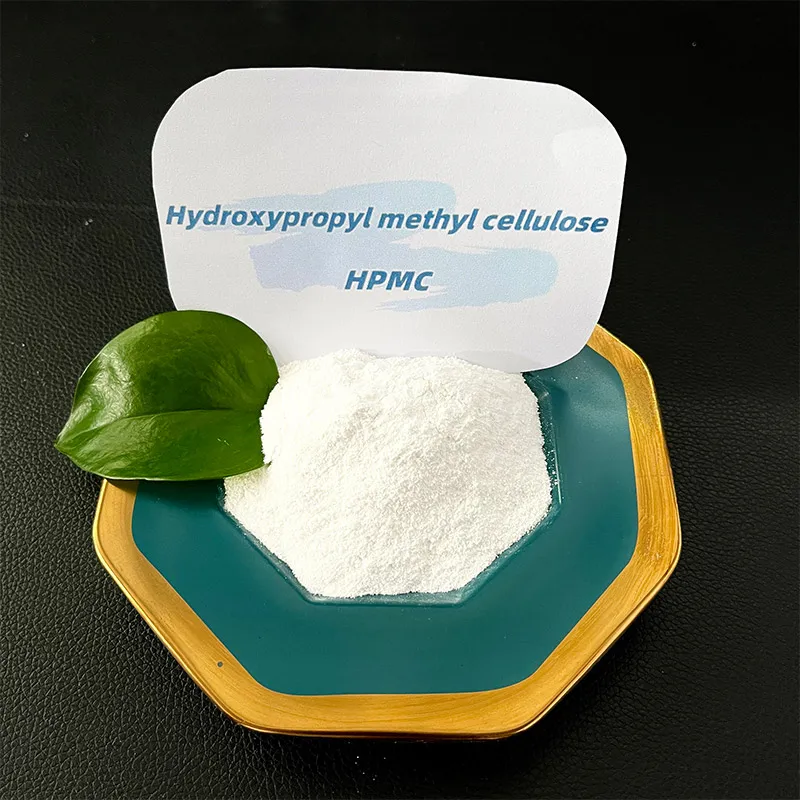
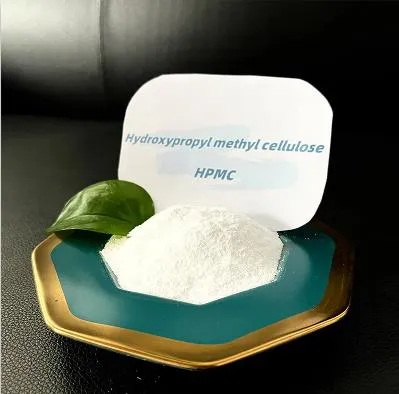
Hypromellose, also known as hydroxypropyl methylcellulose (HPMC) , is a versatile and widely used ingredient in the pharmaceutical, cosmetic, and food industries. Its unique properties and myriad applications showcase how it has become an indispensable component across these sectors. In the pharmaceutical field, hypromellose plays a crucial role in drug formulation and delivery. Thanks to its controlled release properties, it enhances the efficacy and patient compliance of oral medications. Many extended-release tablets employ hypromellose as a matrix to modulate the drug release profile. This capability ensures a sustained therapeutic effect, reducing the need for frequent dosing. Furthermore, hypromellose is known for its excellent biocompatibility and safety profile, making it an ideal candidate for a variety of pharmaceutical applications. As a non-toxic and non-irritant compound, it is used extensively as a coating agent to mask unpleasant tastes and protect drugs from environmental degradation. In the cosmetics industry, hypromellose is valued for its ability to improve product texture and stability. As a film-forming agent, it aids in the creation of smooth, even coats on hair and skin, contributing to the enhanced consistency and efficacy of skincare and haircare products. Its water-retentive properties also make it a popular ingredient in hydrating serums and lotions, ensuring prolonged moisturization. By regulating viscosity, hypromellose enables formulators to achieve the desired thickness and flow in creams and gels, thereby enhancing user experience. It is often used in eye drops to alleviate dryness, providing soothing relief and ensuring safety for the sensitive eye area. hypromellose hydroxypropyl methylcellulose In the food industry, hypromellose finds applications as a vegetarian-friendly alternative to gelatin and other animal-derived ingredients. Its gelling and thickening properties make it an invaluable additive in creating plant-based products, appealing to the growing demographic of vegan and vegetarian consumers. Hypromellose ensures the stability and quality of products like dairy alternatives, gluten-free baked goods, and ready-to-eat meals, enhancing mouthfeel and texture. Its safety, non-toxic nature, and ability to form clear, palatable solutions make it a trusted component in food formulations that require thickening, stabilization, or emulsification. To gain the competitive edge that Google acknowledges, it is essential to delve into experience-based, expert-backed studies and real-life case uses of hypromellose. Engaging with industry professionals and consumers who utilize this ingredient allows for collecting authentic insights that bolster the credibility of any discourse on hypromellose. Referencing scholarly articles and patents illustrates a deep understanding and authoritative stance on the topic. Building trust with an audience relies on demonstrating the consistent and reliable performance of hypromellose in various applications, asserting its undeniable importance and benefit across multiple industries.
-
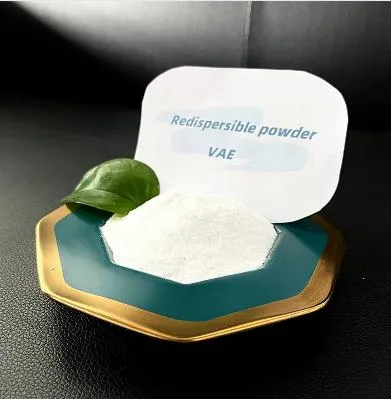
Methyl hydroxyethyl cellulose (MHEC) is a versatile compound primarily used in the construction , pharmaceutical, and personal care industries. In recent years, the price of MHEC has become a significant consideration for manufacturers and suppliers. Understanding the fluctuations in the price of MHEC requires a comprehensive analysis of market dynamics, supplier strategies, and global economic factors. From an expert perspective, the price variance of MHEC can be attributed to several key factors. Firstly, raw material costs play a crucial role. The production of cellulose ethers like MHEC necessitates raw plant materials, which are susceptible to climatic variations and agricultural economics. Any adverse effects on raw material availability can directly influence MHEC pricing. The manufacturing process of MHEC itself demands scrutiny. The complexity and energy-intensive nature of its production process can lead to varied pricing. Factors such as technological advancements, efficiency in production, and regulatory compliance can affect manufacturing costs. Producers investing in state-of-the-art technology might offer slightly higher prices due to quality assurances and production stability. In terms of experience, stakeholders in the industry often observe that geopolitical tensions and trade policies impact pricing. Tariffs and trade barriers can increase costs for importing and exporting raw materials and finished products. Companies navigating these challenges often adjust their prices to maintain profitability and competitiveness. methyl hydroxyethyl cellulose price Furthermore, market demand significantly influences MHEC prices. With the rising boom in the construction industry across emerging economies, there's a consistent demand for enhanced construction materials. MHEC, known for its water retention, thickening, and binding properties, is in high demand, often pushing prices upward. Meanwhile, fluctuations in industries such as pharmaceuticals and cosmetics, where MHEC is used as a binder or thickener, add another layer of complexity to pricing dynamics. From an authoritative standpoint, environmental regulations and sustainable practices are also beginning to shape the price landscape of MHEC. As industries push towards greener production methodologies, investments in clean technologies can augment manufacturing expenses, thereby affecting the end price of MHEC. Trustworthiness in price analysis comes from reliable data sources and transparent supply chain practices. Companies that provide clear insights into their pricing strategies and cost breakdown garner more trust from buyers. Leveraging comprehensive market reports and price indices, along with networking with industry insiders, can offer valuable insights into the pricing strategies of competitors and global pricing trends. In conclusion, the pricing of methyl hydroxyethyl cellulose is a multifaceted subject influenced by raw material costs, manufacturing complexity, market demand, geopolitical factors, and environmental regulations. Manufacturers and suppliers looking to gain a competitive edge must pay close attention to these factors and cultivate a deep understanding backed by reliable data and expert insights. Trust and expertise, coupled with strategic adaptability, will be crucial for navigating this dynamic market effectively.
advantages
-

200000 Viscosities
Excellent product
We can produce pure products up to 200,000 viscosities
-

40000 tons
High yield
We don’t stop production all year round, and the annual output can reach 40,000 tons
-

24 hours
Quality service
We provide 24-hours online reception service, welcome to consult at any time
———— Inquiry Form
Schedule A services
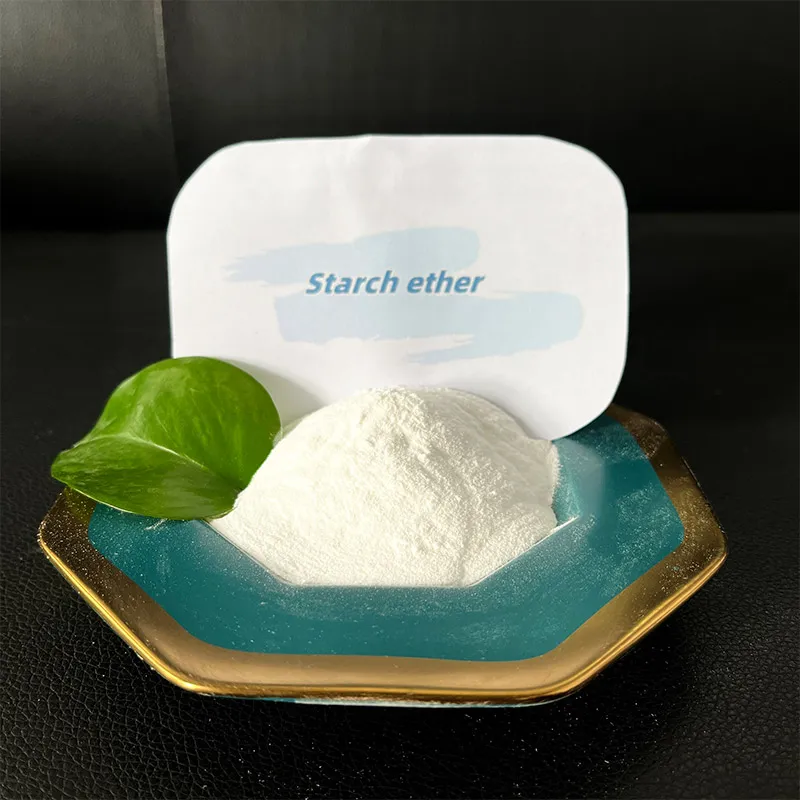
- starch_ether_price
Oct . 25, 2025
Hydroxypropyl methylcellulose (HPMC) E50 is a versatile and highly valued polymer in various industr -
 hpmc_tg
Oct . 25, 2025
Hydroxypropyl Methylcellulose (HPMC) stands as an innovative polymer solution , lauded for its multi -
 hydroxypropyl_methylcellulose
Oct . 25, 2025
Hydroxypropyl methylcellulose (HPMC) stands as a versatile compound widely utilized across numerous


